> ## Documentation Index
> Fetch the complete documentation index at: https://docs.ntop.com/llms.txt
> Use this file to discover all available pages before exploring further.
# Why a TPMS?
*“What do you mean a minimal surface?! I want to maximize my surface area!”*
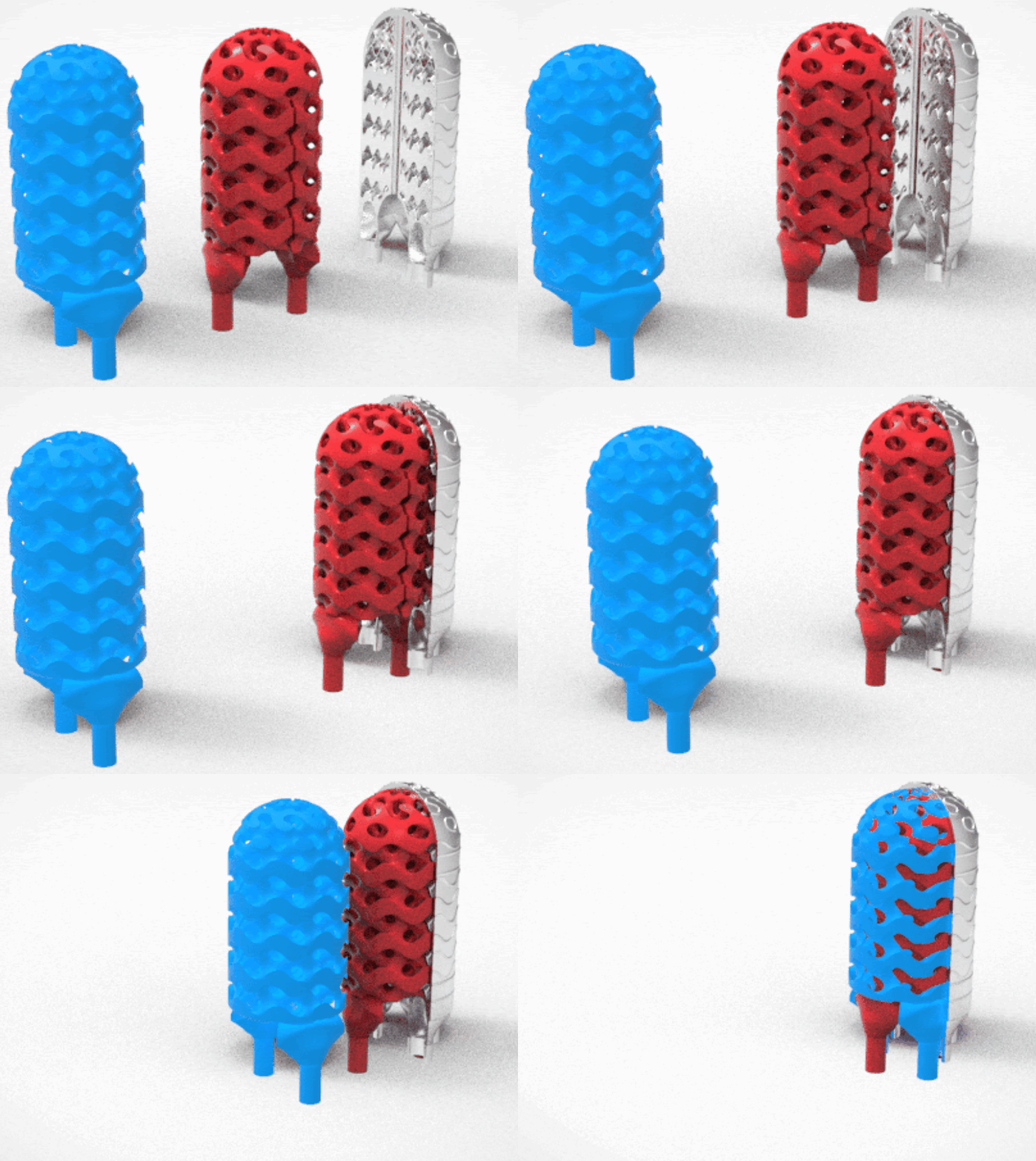
These periodic structures come from nature and are most commonly related to soap bubbles/films that take specific shapes based on the bounds constraining them. The shapes generated generally give you the maximum surface area for the least amount of material – hence minimal surface.
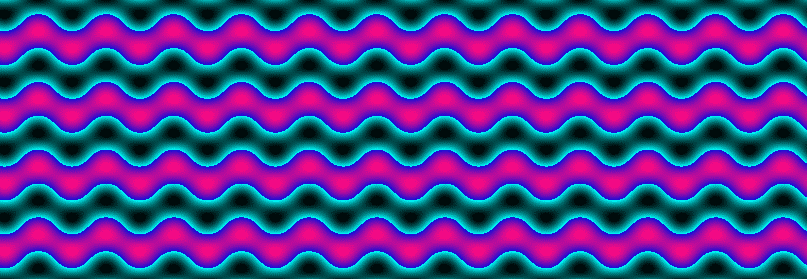 ## Periodic Structures are great for heat exchangers because…
* **They maximize surface area for the least amount of material**
* A near symmetric thermal contact area allows designs with thinner walls
* **Inherently isolates two regions in space (i.e., a “hot & cold side”), making them ideal for HEX application.**
* The regions intermingle with one another thus, the heat transfer area of the hot & cold sides is virtually identical.
* **Smooth topology for flow dynamics**
* Minimizes pressure drop (depends on density, cell size, etc)
* **Generally self-supporting during the printing process**
* The angle of associativity \~38° (gyroid)
* **Have a high strength-to-weight ratio**
* Which makes them suitable for light-weighting
## Periodic Structures are great for heat exchangers because…
* **They maximize surface area for the least amount of material**
* A near symmetric thermal contact area allows designs with thinner walls
* **Inherently isolates two regions in space (i.e., a “hot & cold side”), making them ideal for HEX application.**
* The regions intermingle with one another thus, the heat transfer area of the hot & cold sides is virtually identical.
* **Smooth topology for flow dynamics**
* Minimizes pressure drop (depends on density, cell size, etc)
* **Generally self-supporting during the printing process**
* The angle of associativity \~38° (gyroid)
* **Have a high strength-to-weight ratio**
* Which makes them suitable for light-weighting